Gastric Sleeve Cost: What You'll Pay in 2025–2026
{ if eq .Lang "zh" }{ else }{ end }The $14,000 quote you got from your surgeon’s office isn’t a mistake. That’s actually on the lower end for gastric sleeve surgery in most U.S. markets.
Sleeve gastrectomy — where about 75–80% of the stomach is removed to create a smaller, sleeve-shaped pouch — is now the most commonly performed bariatric procedure in the country. The American Society for Metabolic and Bariatric Surgery (ASMBS) reports that sleeve gastrectomy accounted for approximately 60% of all bariatric procedures performed in the U.S. in 2022. And with that volume comes a wide range of prices.
What Gastric Sleeve Surgery Costs in 2025–2026
The national range for sleeve gastrectomy runs from roughly $10,000 to $23,000 at accredited bariatric centers. That spread isn’t random — it reflects real differences in facility costs, surgeon experience, geographic market, and what’s bundled into the quoted price.
| Cost Component | Typical Range |
|---|---|
| Surgeon fee | $2,500 – $5,500 |
| Hospital/facility fee | $5,000 – $12,000 |
| Anesthesia fee | $1,000 – $2,500 |
| Pre-op evaluation (labs, psych, nutrition) | $800 – $2,500 |
| Post-op follow-up visits | $500 – $1,500 |
| Total (self-pay, all-inclusive) | $10,000 – $23,000 |
Why the Range Is So Wide
A few factors drive costs from the low end to the high end:
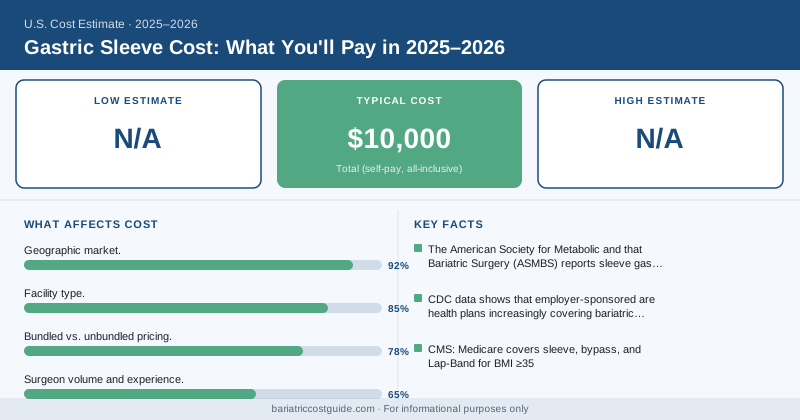
Geographic market. A sleeve performed in Tulsa, Oklahoma costs significantly less than the same procedure in San Francisco or New York City. Regional price variation in hospital operating room costs explains most of this gap.
Facility type. Accredited bariatric centers of excellence — facilities that meet ASMBS/MBSAQIP standards — tend to charge more than general hospitals or non-accredited outpatient centers. The accreditation matters for safety outcomes, but it does come at a price.
Bundled vs. unbundled pricing. Some surgeons quote all-in prices that include labs, pre-op visits, one year of follow-up, and supplements. Others quote the surgery alone. Always ask exactly what’s included.
Surgeon volume and experience. High-volume bariatric surgeons (100+ cases per year) often charge more — but data consistently shows lower complication rates with higher-volume providers.
With Insurance: What You’ll Actually Pay Out of Pocket
If your insurance covers bariatric surgery, your out-of-pocket cost depends on your deductible, copay, and coinsurance. Most patients with insurance pay $2,000 to $6,000 out of pocket after their plan covers its share.
CDC data shows that employer-sponsored health plans are increasingly covering bariatric surgery as obesity rates have climbed to 42.4% of U.S. adults. Still, not all plans cover it — and those that do typically require meeting NIH criteria: BMI ≥ 40, or BMI ≥ 35 with a qualifying comorbidity (type 2 diabetes, sleep apnea, hypertension, etc.).
What Insurance Typically Requires Before Approval
Most plans that cover bariatric surgery require:
- Documentation of BMI ≥ 40, or BMI ≥ 35 with a comorbidity
- 3–6 months of documented supervised diet attempts
- Psychological evaluation clearing you for surgery
- Nutritional counseling with a registered dietitian
- Medical clearance from your primary care physician
- Sometimes: sleep study, cardiac clearance, or endoscopy
Your plan may have additional requirements. Get the full list in writing before you start the process — it can take 3–6 months to complete.
Self-Pay Pricing: How to Get the Best Cash Price
If you’re paying out of pocket, the sticker price isn’t final. Bariatric surgery centers routinely offer self-pay discounts of 20–40% off their standard rate when you pay upfront or in a lump sum.
The best negotiation leverage:
- Ask for the “all-inclusive self-pay package” — many centers have one
- Get quotes from 2–3 accredited centers in your area
- Ask whether payment in full before surgery date gets a discount
- Ask about financing through CareCredit or Prosper Healthcare Lending
Gastric Sleeve vs. Other Procedures
The sleeve costs less than gastric bypass ($15,000–$35,000) and duodenal switch ($20,000–$40,000), but more than the gastric balloon ($6,000–$15,000) or endoscopic sleeve. It’s the procedure that hits the sweet spot for most patients: significant weight loss (60–70% of excess weight on average), lower complication risk than bypass, and no intestinal rerouting.
| Procedure | Avg. Cost (Self-Pay) | Avg. Excess Weight Loss |
|---|---|---|
| Gastric balloon | $6,000 – $15,000 | 25–35% |
| Gastric sleeve | $10,000 – $23,000 | 60–70% |
| Gastric bypass (Roux-en-Y) | $15,000 – $35,000 | 65–80% |
| Duodenal switch / SADI-S | $20,000 – $40,000 | 70–85% |
Long-Term Cost Considerations
The surgery itself is just the beginning. Budget for:
- Lifetime vitamins and supplements: $500–$1,200/year
- Follow-up appointments: covered by most insurance after initial surgery
- Potential revision surgery: 5–15% of sleeve patients need revision within 10 years
- Excess skin removal: not typically covered by insurance; $8,000–$50,000 depending on procedures needed
The Bottom Line
Gastric sleeve surgery runs $10,000–$23,000 self-pay, or $2,000–$6,000 out of pocket with insurance that covers bariatric procedures. The procedure’s popularity — it’s now the most commonly performed bariatric surgery in the U.S. — means you have real options and real negotiating power as a patient. Get multiple quotes, confirm what’s bundled, and verify your surgeon’s credentials before you sign anything.
{ if eq .Lang "zh" }Disclaimer: BariatricCostGuide provides cost data for educational purposes only. We are not a medical provider, insurance company, or financial advisor. All costs are estimates based on published data and vary by location, facility, surgeon, insurance plan, and individual health factors. Consult a board-certified bariatric surgeon and your insurance carrier for personalized medical and cost advice.